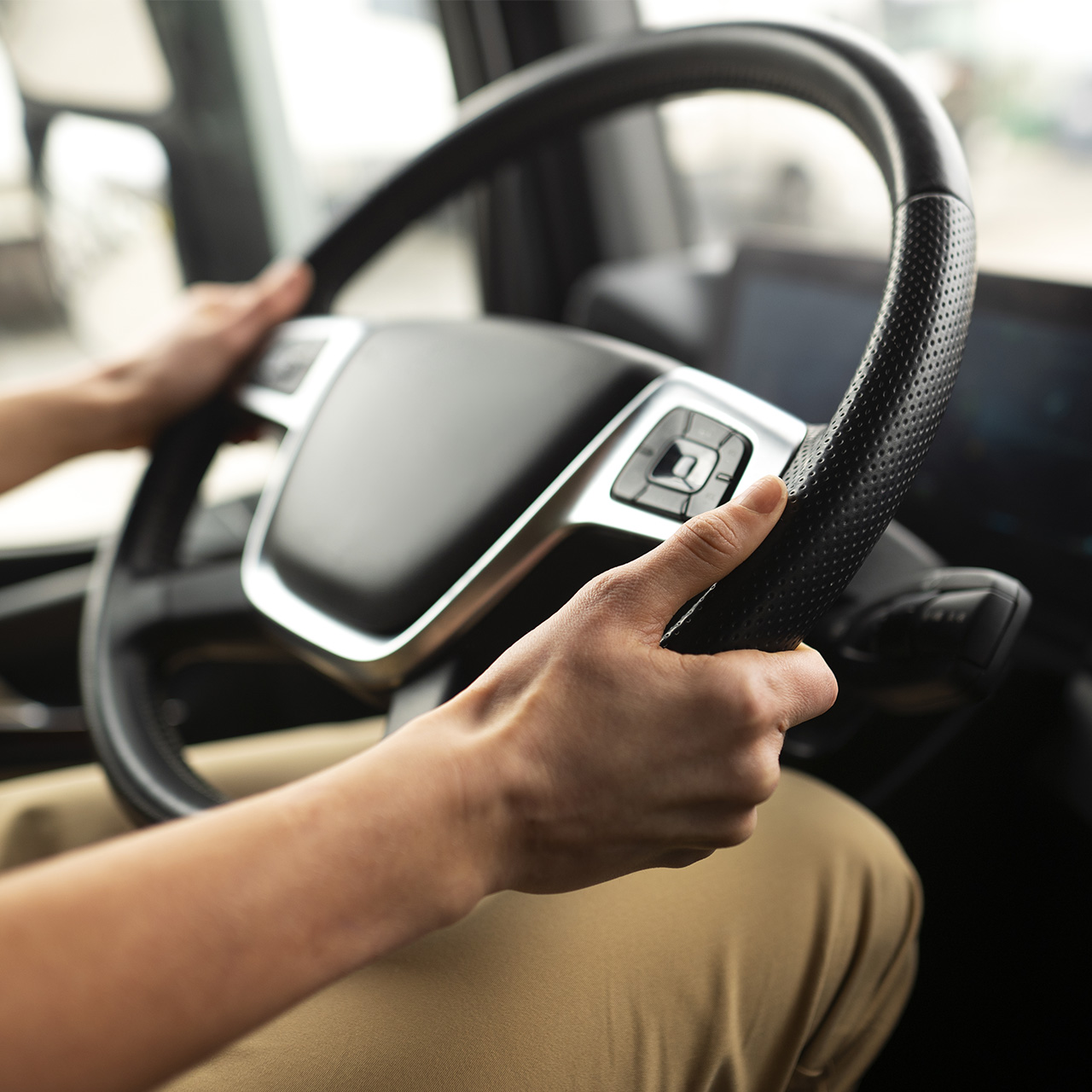
Water Travels with You
Every time we move around the city, we also move water. Transportation consumes water indirectly and massively: from the extraction and refining of fuels, to the manufacturing of tires, auto parts, and vehicles, and even the construction of the road infrastructure we use every day.
It’s a kind of water use we don’t see, but it’s present throughout the entire life cycle of transportation systems and adds to our global water footprint.
Moreover, the transport sector is closely linked to climate change: the higher the consumption of fossil fuels, the greater the greenhouse gas emissions — and, at the same time, the more water used in the production of energy and materials.
Impactful Facts
- It’s estimated that producing one liter of gasoline requires between 7 and 10 liters of water. This varies depending on the extraction area and the natural characteristics of the region where crude oil is found.
- Manufacturing a single car can require up to 4,000 liters of water. In addition, a rain test — a quality control process that simulates rainfall and other water exposure scenarios for vehicles — can consume up to 150 liters of water per square meter, which amounts to about 2,500 liters of water per test (source: iAgua).
- Transportation accounts for nearly one-quarter of global CO₂ emissions (source: IPCC). About 70% of direct transport emissions come from road vehicles, while 1%, 11%, and 12% come from rail, maritime, and air transport, respectively. Much of this carbon footprint also impacts water use throughout the production and maintenance chain of these transport systems.
Your Choice Matters:
You can make every trip more sustainable and less water-demanding:
- For short distances, whenever possible, choose to walk or ride a bicycle.
- Share rides or use public transportation whenever you can.
- If you drive, make sure your vehicle is well maintained — an efficient car uses less fuel and therefore less indirect water.
- Consider electric or hybrid mobility, which can significantly reduce both your water and carbon footprints in the long term. Learn more about the Electric Bus, the new mode of transport in the City of Buenos Aires.
Every time you choose how to move, you’re also choosing how to care for water.