Educational resources for teaching and learning how to care for water resources
Water Footprint Calculator (Primary Level)
Suggested proposal guide for each teacher to develop a teaching sequence in conjunction with the Water Footprint Calculator.
Water Footprint Calculator (Secondary Level)
Suggested proposal guide for each teacher to develop a teaching sequence in conjunction with the Water Footprint Calculator.
Biblioteca del Agua (Water Library) - Primary Level (in Spanish)
A collection of educational resources for Primary Level (ages 6 to 12) focused on water-related topics.
Biblioteca del Agua (Water Library) - Secondary Level (in Spanish)
A collection of educational resources for Secondary Level (ages 13 to 18) focused on water-related topics.
Multimedia, Gamified, and Interactive
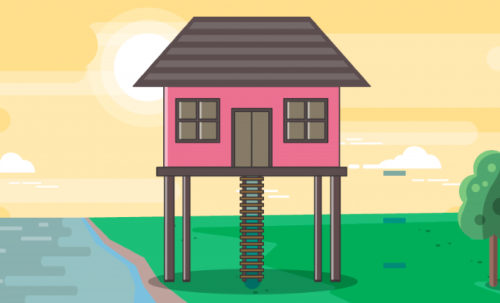
Water planning (in Spanish)
Origin: Global Citizenship
Simulator that allows you to evaluate the impact of actions taken by citizens to minimize water risk.
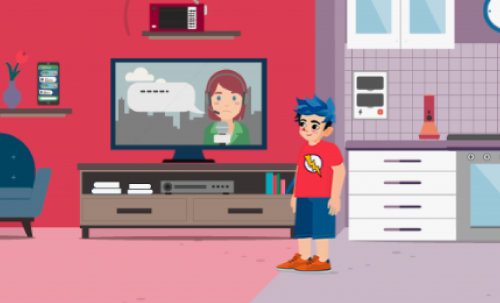
Ready, Set, Rain (in Spanish)
Origin: Global Citizenship
A video game designed for families to learn what actions help us better prepare at home for climate crises that can cause flooding.
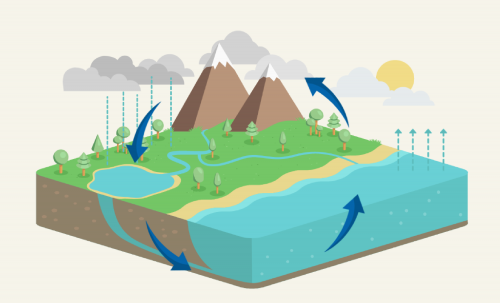
Infographic – The Water Cycle (in Spanish)
Origin: Global Citizenship
An interactive experience that lets you explore the water cycle and learn about its stages and the states of this vital element for life on Earth.
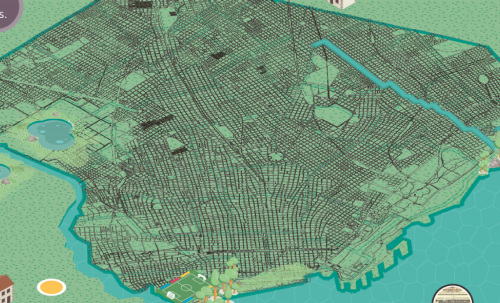
Infographic – Navigating Maps (in Spanish)
Origin: Global Citizenship
An interactive experience that helps you understand how the city evolved and how its natural environment changed due to population growth.
Video Game: SDG 6 – Clean Water and Sanitation (in Spanish)
Origin: Global Citizenship
A video game that helps you understand the importance of access to and rational use of drinking water in daily life to promote sustainable habits.
Video Game: SDG 14 – Life Below Water (in Spanish)
Origin: Global Citizenship
A video game designed to raise awareness about the relationship between our consumption habits and the pollution of rivers and seas.
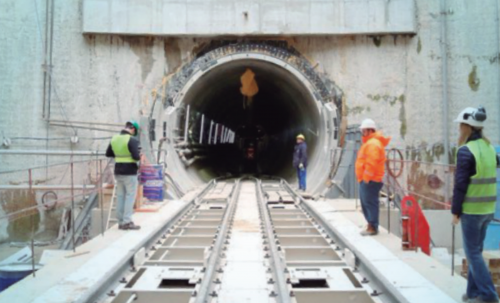
Elisa Tunnel Boring Machine in Augmented Reality (AR) (in Spanish)s
Origin: Global Citizenship
Discover Elisa, the tunnel boring machine used in Buenos Aires, through an Augmented Reality (AR) cube. This massive piece of urban technology was used to build the second Vega Stream outfall, which runs underground to reduce flood risk.
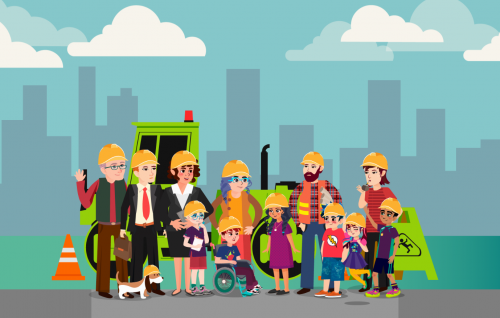
Video Game: Hydraulic Plan (in Spanish)
Origin: Global Citizenship
A teaching resource for upper primary (ages 9–12) and lower secondary (ages 13–14) focused on public works in Buenos Aires and the importance of citizen participation in civic decisions and projects.
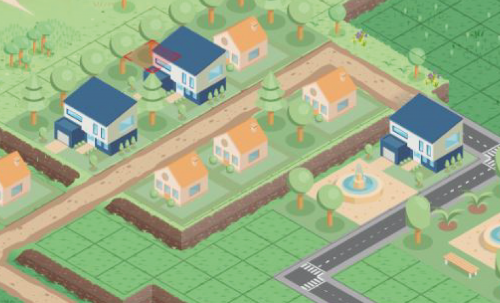
Video Game: Plan Your City (in Spanish)
Origin: Global Citizenship
A city-building game where players plan and design their own city, applying knowledge to prevent floods and create sustainable urban spaces.
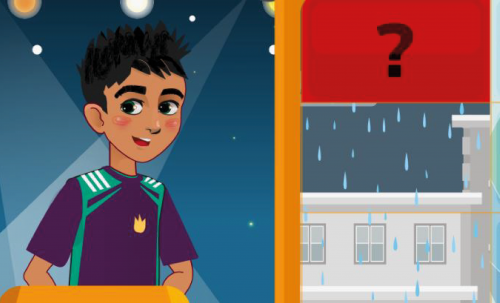
Video Game: HydroQuiz (in Spanish)
Origin: Global Citizenship
Test your knowledge about floods in this quiz game and help reduce flood risk in the city. Citizens’ actions are crucial when facing water-related threats!
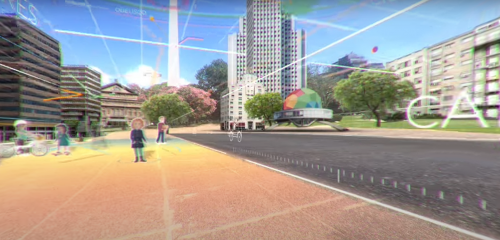
360° Video: Buenos Aires Through Time (in Spanish)
Origin: Global Citizenship
A 360° video showing the evolution of the city of Buenos Aires over time.
Video: What Is a River Basin? (in Spanish)
Origin: Global Citizenship
This video explains why it is so important to understand the characteristics and functions of a basin to comprehend the flooding issues in Buenos Aires.
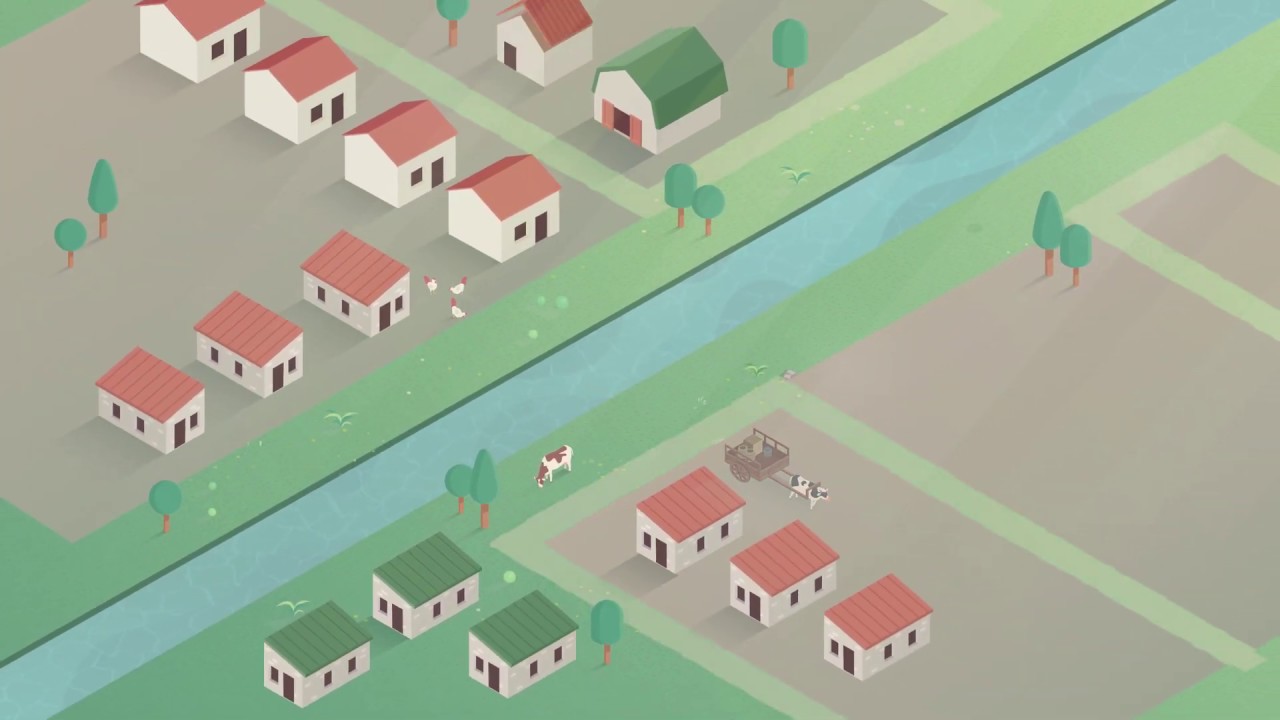
Video: A City Built on Rivers (in Spanish)
Origin: Global Citizenship
What was the natural landscape like where Buenos Aires was built? This video explains the city’s urban transformation over time and the importance of its rivers and streams.
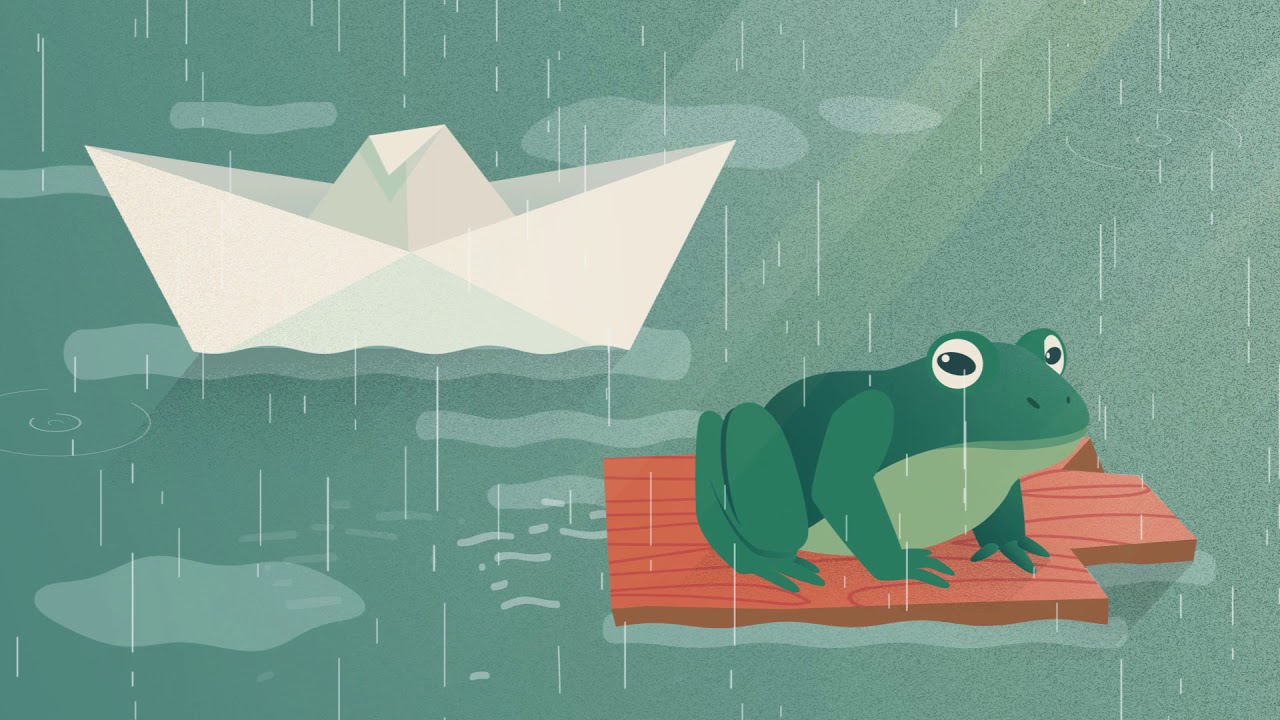
Video: Floods in the City (in Spanish)
Origin: Global Citizenship
Why does Buenos Aires flood? Learn through a family story and discover the underground circuits where water flows during heavy rainfall.
Video: How to Reduce Flood Risk? (in Spanish)
Origin: Global Citizenship
Although we cannot control the weather, there are ways to reduce flood risk. This video explains why these actions are essential to maintaining a healthy relationship between citizens and water.
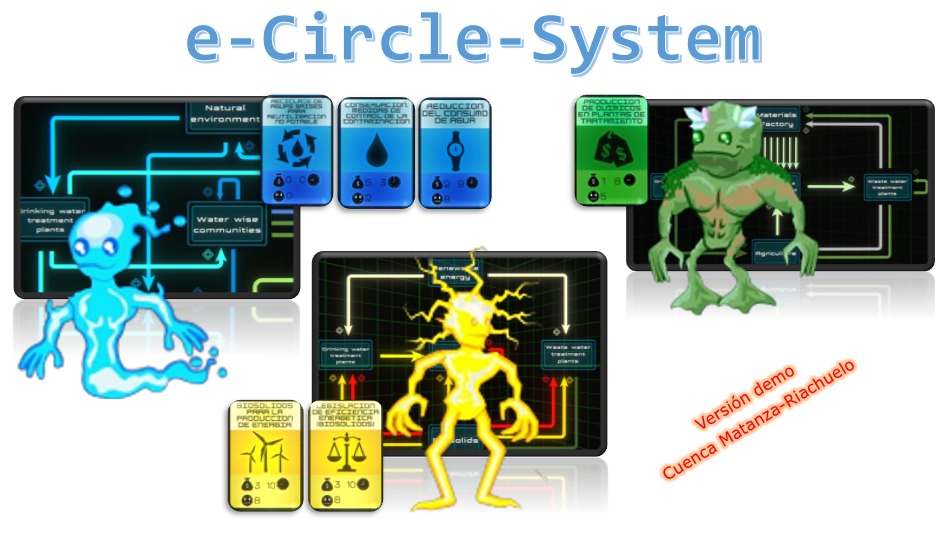
Gamification: Urban Water Cycle
Origin: INTEC research project of UADE
Explore the elements present in scenarios with environmental problems, along with the policies and actions to be implemented on the path towards circularity in the urban water cycle.
Teaching Booklets and Didactic Sequences
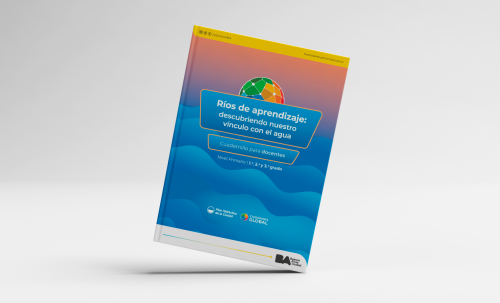
Rivers of Learning: Discovering Our Connection with Water (in Spanish)
Origin: Global Citizenship
Booklets for Lower Primary Level (ages 6–8) containing three teaching sequences on the care of water resources, flood prevention, and the enjoyment of water.
Water Tells Us a Story (in Spanish)
Origin: Global Citizenship
Teaching sequence for Lower Primary Level (ages 6–8) inviting students to reflect on how the inhabitants of Buenos Aires have related to water resources throughout history and how to rebuild that relationship today and in the future.
Water Journalists (in Spanish)
Origin: Global Citizenship
A sequence for Upper Primary Level (ages 9–12) that encourages students to investigate how urban development changes affect the natural environment.
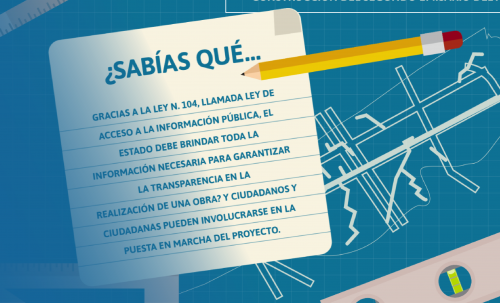
Citizen Participation in Water Actions (in Spanish)
Origin: Global Citizenship
Teaching proposal for Upper Primary Level (ages 9–12) encouraging reflection on the importance of water-related actions in daily life.
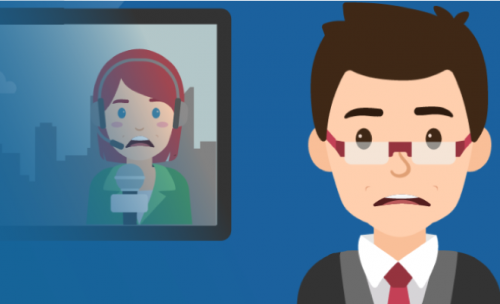
Prevention and Care in Water Emergencies (in Spanish)
Origin: Global Citizenship
Teaching proposal for Upper Primary Level (ages 9–12) addressing natural phenomena such as storms and floods.
Online Hydrohistorians (in Spanish)
Origin: Global Citizenship
Sequence for Upper Primary Level (ages 9–12) inviting students to explore how the city has transformed and the key role water has played in its development.
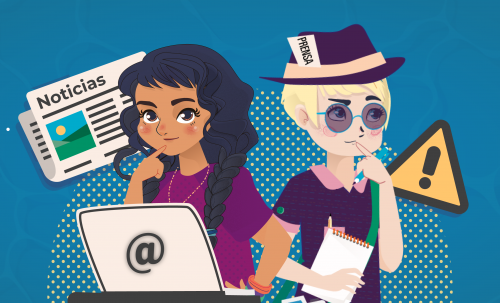
Water and the Environment (in Spanish)
Origin: Global Citizenship
Sequence for Upper Primary Level (ages 9–12) inviting students to identify and apply strategies to minimize flood risk.
How to reduce water risk? – Streams and tunnels of the City of Buenos Aires
Origin: Global Citizenship
Didactic proposal aimed at the Upper Primary Level (ages 9 to 12) that promotes, through immersive and interactive experiences, a learning process focused on flood prevention and management.
A World of Water (in Spanish)
Origin: Global Citizenship
Teaching proposal for Upper Primary Level (ages 9–12) and Lower Secondary Level (ages 13–14) including activities to learn about and contribute to achieving SDG 6.
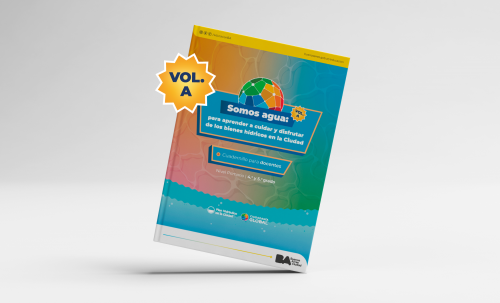
We Are Water: Learning to Care for and Enjoy Water Resources in the City – Vol. A (in Spanish)
Origin: Global Citizenship
Booklet for Upper Primary Level (ages 9–12) compiling four interdisciplinary teaching sequences focused on water care, flood prevention, and the enjoyment of water.
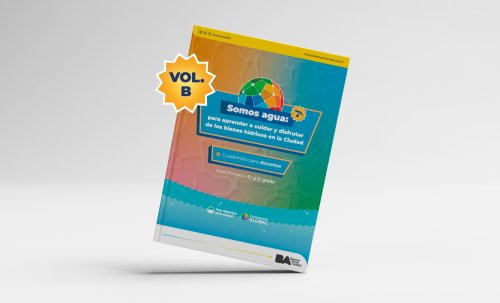
We Are Water: Learning to Care for and Enjoy Water Resources in the City – Vol. B (in Spanish)
Origin: Global Citizenship
Booklet for Upper Primary Level (ages 9–12) containing four teaching sequences that integrate transversal and emerging curricular areas such as Education for Sustainability and Digital Education, aimed at raising awareness and promoting water conservation.
Water Exploration: Micro and Macroplastics Away from Water (in Spanish)
Origin: Global Citizenship
Teaching sequence for Upper Secondary Level (ages 15–18) focused on investigating the consequences of excessive plastic use and its negative impacts on water resources.
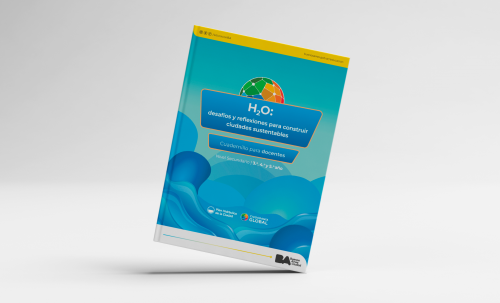
H2O: Challenges and Reflections for Building Sustainable Cities (in Spanish)
Origin: Global Citizenship
Booklet containing six interdisciplinary teaching sequences for Upper Secondary Level (ages 15–18). Through various perspectives, it aims to inspire students to exercise active citizenship committed to the care of water resources.
Caring for Water Is in Fashion (in Spanish)
Origin: Global Citizenship
Sequence for Upper Secondary Level (ages 15–18) focusing on the importance of having enough fresh, clean water to sustain life on Earth. Students work with the concept of water footprint to identify production processes that consume large amounts of water.
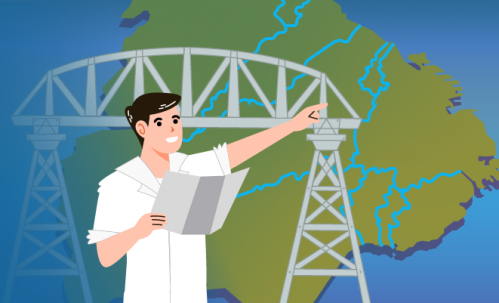
Discovering the Matanza–Riachuelo Basin: A Citizen Mission (in Spanish)
Origin: Global Citizenship
Teaching sequence for Upper Secondary Level (ages 15–18) encouraging a deep analysis of the watersheds crossing Buenos Aires, with a focus on the Matanza–Riachuelo Basin (CMR).
Truth in Play: Water Debate in the Age of Disinformation (in Spanish)
Origin: Global Citizenship
Teaching sequence for Upper Secondary Level (ages 15–18) where students engage in gamified debates about sustainability and the water crisis.
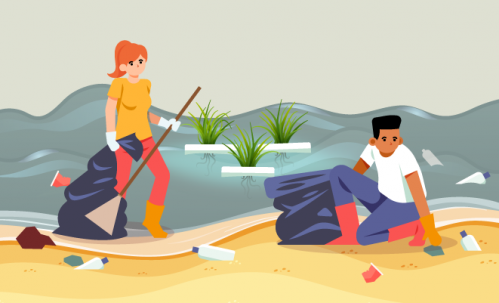
Hydroprojects at School: Balance and Strategy for the River (in Spanish)
Origin: Global Citizenship
Sequence for Lower Secondary Level (ages 13–14) analyzing the growth of Buenos Aires and the consequences of urban expansion.
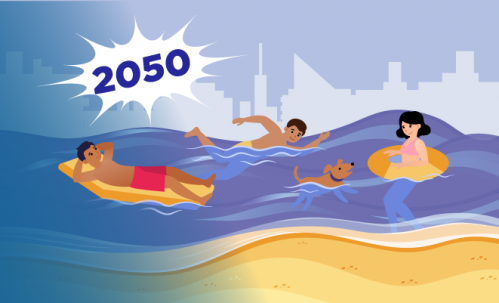
Hydroprojects at School: Good Waters 2050 (in Spanish)
Origin: Global Citizenship
Sequence for Secondary Level students exploring the fundamental role of rivers in human life.
Water and Riachuelo: A New Perspective on the River (Teachers) (in Spanish)
Origin: Green Schools Program
Educational tools for teachers aimed at revaluing the Matanza–Riachuelo Basin and water as a natural asset.
My Beloved Riachuelo (in Spanish)
Origin: Green Schools Program
Educational proposal fostering a space for cultural engagement and action to promote participation and commitment toward a clean and healthy basin.

Low-Cost Hydroponics (in Spanish)
Origin: Green Schools Program
Educational leaflet offering a brief history of hydroponic systems and a teaching sequence to create low-cost hydroponics. This system allows food cultivation using just three elements: water, nutrients, and light.