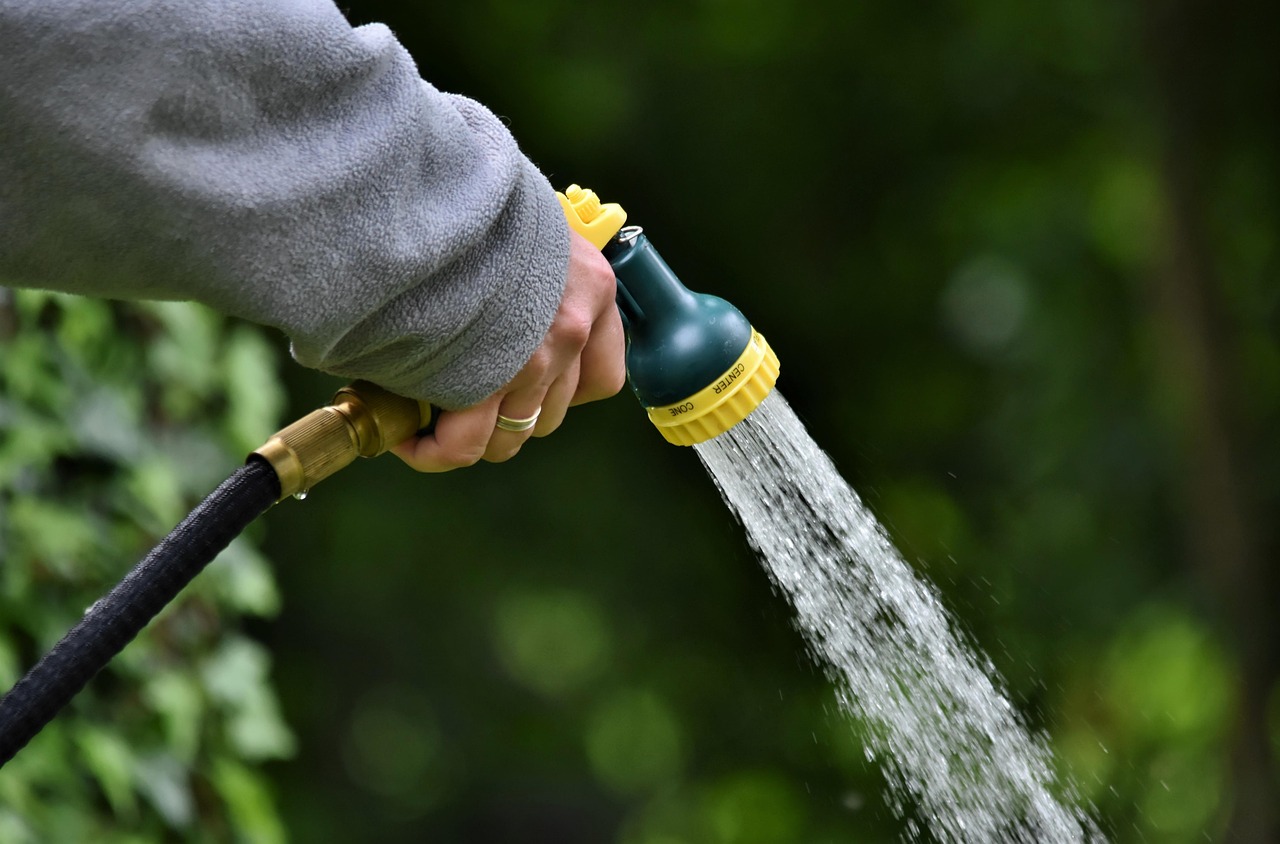
How to optimize water use in the home garden and vegetable patch
Large amounts of water are required for food production, with agriculture being the largest consumer of water worldwide.
Having a home garden is a great opportunity to learn how to produce our own food, maintain a healthy diet, and take care of water.
You can obtain small harvests of vegetables, fruits, and greens sufficient for self-consumption with just a small space at home. You can grow in pots, garden beds, boxes, or even try hydroponic crops.
Did you know…
A hydroponic garden uses considerably less water than a conventional garden because the water is recirculated and reused within the closed system, which reduces loss from evaporation or soil filtration. In hydroponics, water can be recycled multiple times, with an estimated savings of up to 90% compared to traditional methods.
Here are some tips to make sustainable use of water in your garden:
- Watering in the early morning or late afternoon prevents evaporation and reduces water consumption.
- You can reuse rainwater or the water used to wash fruits and vegetables. Our very own water reuse cycle!
- Knowing the cycles of plants allows you to adjust their water needs. Every drop counts!
- Using watering cans or automated irrigation systems allows more efficient use of water.
- Grow crops adapted to your region. They require less water to fully develop.
If you want to learn more about efficient irrigation systems and build your own automated irrigation system, download for free the Global Citizenship educational proposal “A robot takes care of our garden” (in Spanish).