Sorting waste also saves water
Waste that pollutes water includes solid waste such as plastics and microplastics, organic waste, and chemical residues from various industrial and agricultural activities. All of these can harm ecosystems, human health, and aquatic life by reducing oxygen levels, introducing toxins, and breaking down into hazardous particles.
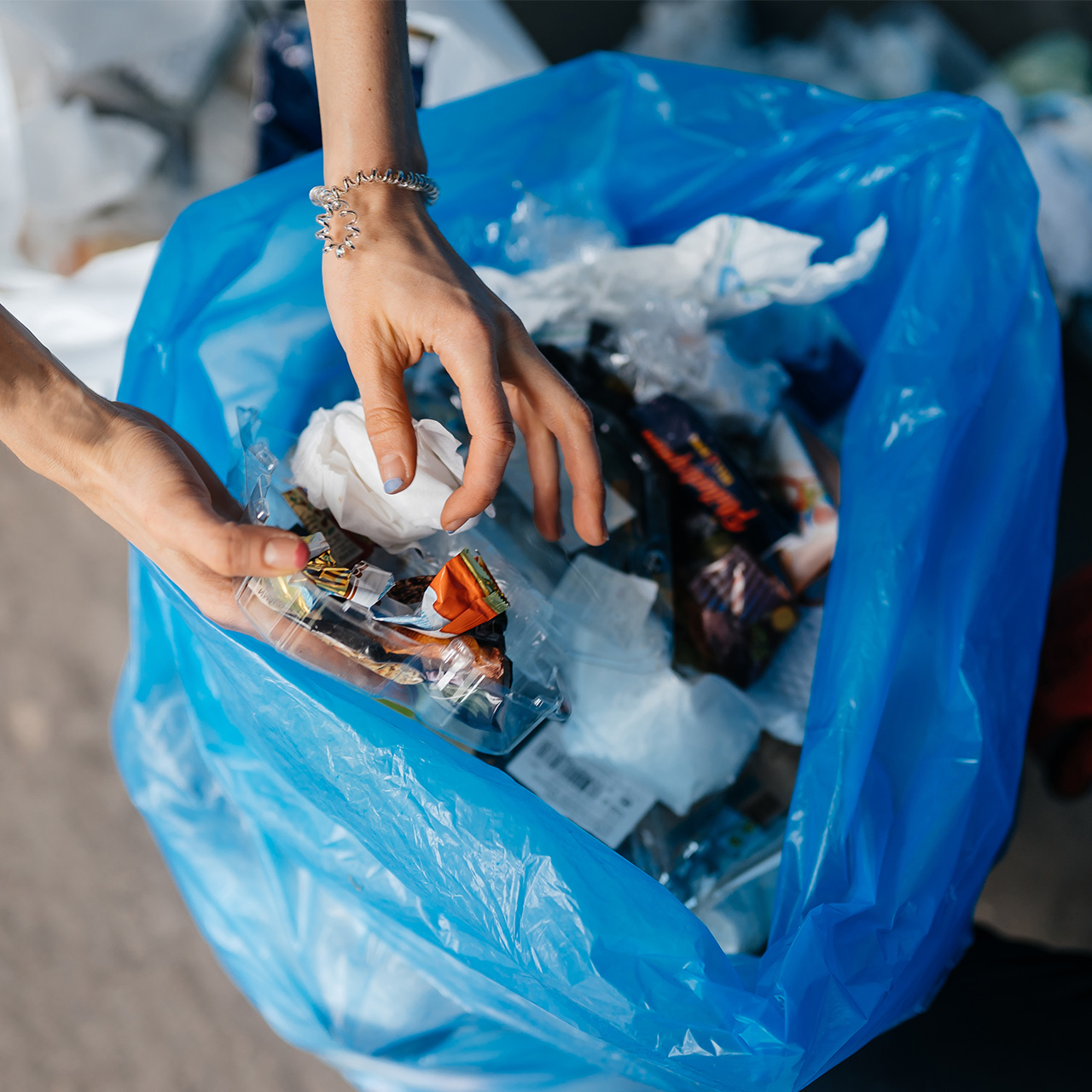
Separating waste at the source not only supports recycling and reduces the amount of garbage sent to landfills, but also saves water in the production of new materials and minimizes the pollution of water bodies.
The extraction of resources and the manufacturing of products generate pollutant effluents that can reach rivers, lakes, and oceans, damaging aquatic ecosystems and threatening marine life.
Moreover, separating and recycling waste reduces soil pollution and, indirectly, protects groundwater sources from which many communities obtain their drinking water. Improper disposal of waste in landfills pollutes the soil with harmful substances that can seep into groundwater, affecting human health and ecosystem balance.
Impactful facts:
- Producing one ton of paper from recycled paper saves up to 30,000 liters of water compared to producing virgin paper.
- Recycling paper helps conserve forests: one ton of recycled paper saves 16 medium-sized trees. Imagine all the water saved from not having to irrigate those trees!
- Improperly discarded waste, packaging, and garbage make up 80% of aquatic litter.
- The Great Pacific Garbage Patch, also known as the “seventh continent,” covers an estimated area of 1.6 million square kilometers—about half the size of Argentina.
Did you know...
Around the world, there are garbage islands—huge accumulations of floating waste, mainly plastics—formed in the oceans due to marine currents and wind action. There are five major garbage patches identified globally, located in the gyres of the North and South Pacific, North and South Atlantic, and the Indian Ocean.
Plastic waste has a highly harmful potential for the environment, wildlife, and humans. It can be found floating on the surface or lying on the bottom of almost all bodies of water. Carried by rivers to the ocean, it moves with the currents and is often eaten by birds and fish, which accumulate toxic chemicals in their tissues.
Your action counts
- Separate recyclable waste (paper, cardboard, glass, plastic, and metals) at home.
- Compost organic waste. When dumped in open landfills and mixed with other materials, these wastes produce leachates that can be toxic and contaminate soil and groundwater. By separating organic waste, you can also make your own compost—perfect for your plants and free of industrial chemicals!
- Keep recyclables clean and dry: a quick rinse is enough to prevent them from contaminating other materials.
- Take your recyclables to green collection points or eco-stations in your neighborhood.
- Reduce your single-use plastic consumption.
- Avoid using plastic bags. Not all of them can be recycled and they often end up floating in the planet’s waterways.
- Do not flush old medicines down the toilet or sink.
- Do not pour chemical cleaners, oils, paints, or non-biodegradable items down the drain.
Sorting waste at the source is a simple habit that multiplies benefits: more recycling, less waste = more responsible water use!