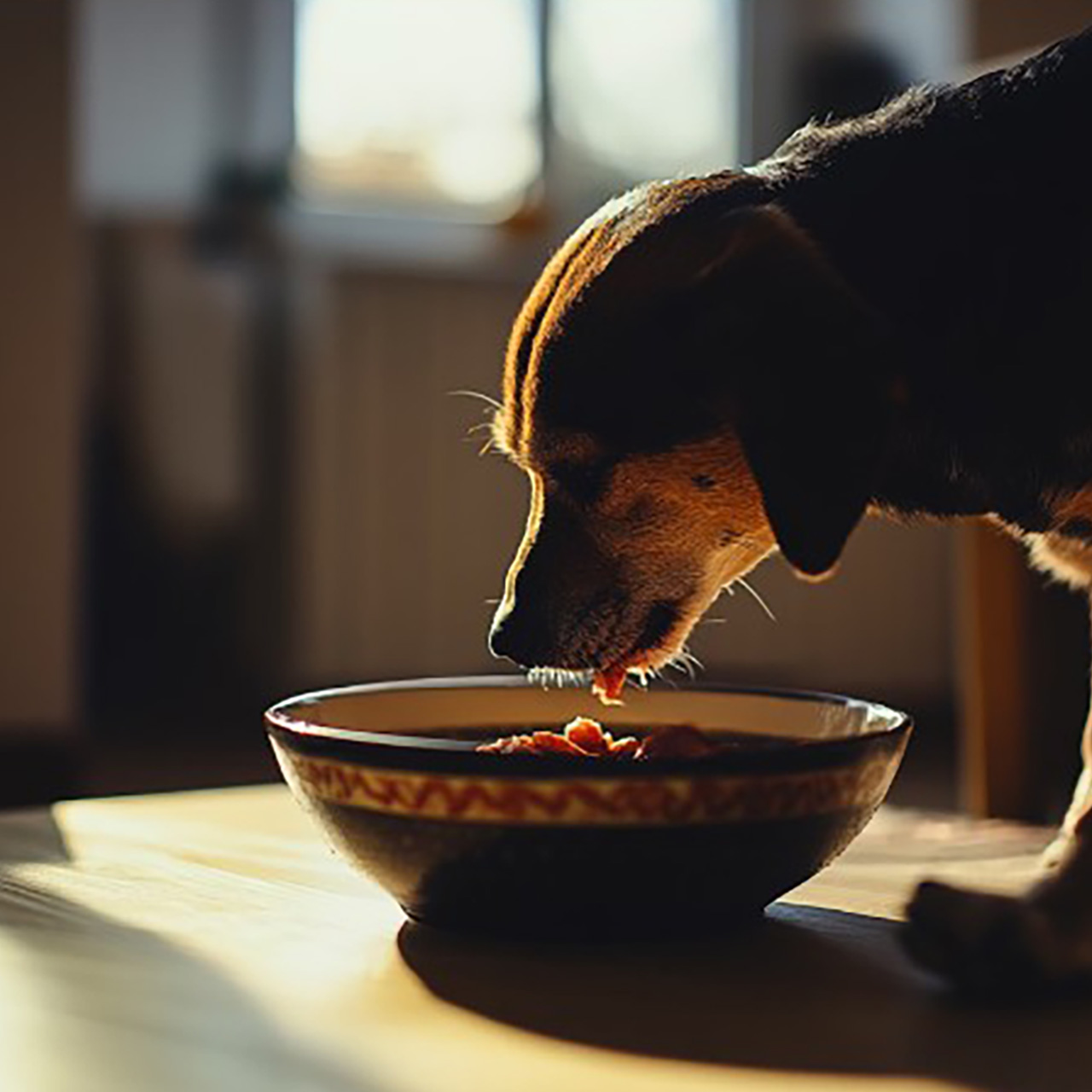
Caring for water also includes your pets
Our pets also have their own water footprint. In addition to the water they need for drinking, their food, toys, and care products consume virtual water — that is, the water used in the industrial production of each item.
Did you know...
Choosing sustainable food and reusing resources in your pet’s care can significantly reduce their water impact. Small daily changes can improve both your water footprint and that of your four-legged companion.
Impactful data
- A water footprint analysis of dry dog food production in Latin America found that approximately 44,953 liters of water are needed to produce 1 kg of regular dry dog food; for premium varieties, 48,680 liters are required, while the production of an artisanal variety requires only 10,461 liters (source: Concytec).
- Responsible ownership of a small long-haired dog generates a total water footprint (direct + indirect consumption) of approximately 32,600 liters per year (fuente: Aivazidou-Tsolakis 2017).
- The water footprint of a small dog is significantly higher than that of a cat.
Your action matters:
- Choose pet food with lower water consumption in its production. If your pet has no specific allergies, opt for foods whose main protein is not beef. Proteins such as chicken, turkey, or fish have a significantly smaller water footprint.
- Responsible pet ownership and sterilization help reduce the overall water footprint.
- Your dog or cat doesn’t need many toys — minimize the purchase of unnecessary items that require water to produce.
- When bathing your dog or between wet baths, use alternatives such as dry shampoo made for pets, wet wipes, or simply a good brushing to remove dirt and loose hair.
- When you bathe your pet, turn off the tap while soaping and use low-foam products that require less water to rinse.