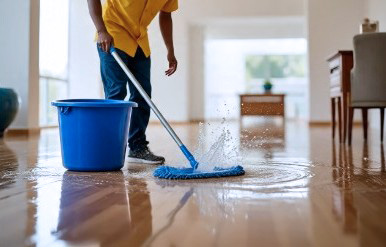
Cleaning also consumes water
Everyday cleaning tasks such as washing dishes, laundry, or floors generate direct water consumption. Many times, we use more than necessary or waste it through unsustainable cleaning habits, which increases our water footprint.
Changing certain habits, planning household cleaning tasks, and being mindful when choosing products or cleaning systems can make a big difference in water consumption.
Surprising facts:
- A washing machine can use about 100 liters of water per cycle, and a dripping faucet can waste 46 liters per day (source: ERAS – Water and Sanitation Regulatory Authority).
- Cleaning a sidewalk or patio with an open hose consumes 19 liters per minute. This unsustainable cleaning habit can waste up to 500 liters of drinking water. To clean the same area, it’s better to use a bucket, which allows you to achieve the same result with only 60 liters. (Source: Sociedad Aguas del Tucumán) (source: Sociedad Aguas del Tucumán).
Small actions, big difference
- Gather clothes and make the most of each wash.
- Use short or eco programs on the washing machine.
- Soak dishes and wash them by filling the sink. Do not leave the faucet running while soaping them.
- Reuse water whenever possible for floor cleaning.
- Always check and repair faucet leaks.
- Use sponges and absorbent cloths that retain and distribute cleaning products better, reducing the need for repeated rinsing.
- Always choose biodegradable cleaning products that require less water to rinse. Use natural, non-industrial cleaning products. They are environmentally friendly and consume less water when cleaning.
Every drop you save at home helps protect freshwater—a limited and essential resource.