Climate Change
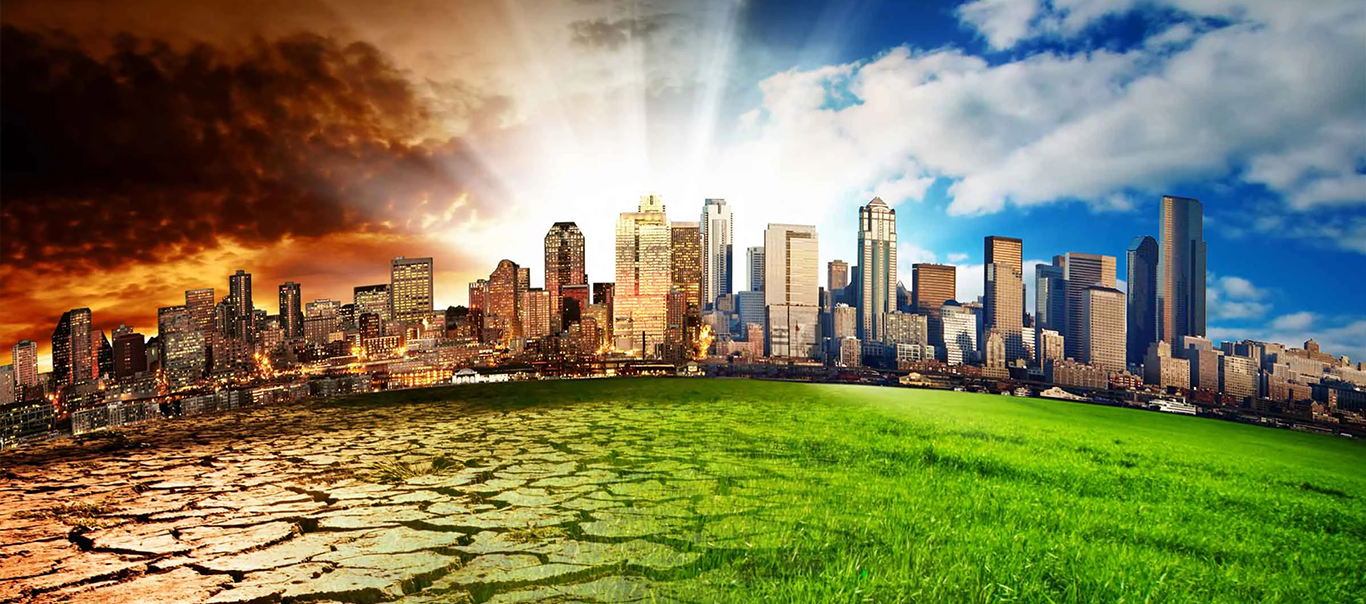
Climate change (CC) is a major global issue that is affecting the conditions of the Earth and all living beings that inhabit it. It is a phenomenon in which temperature changes in the atmosphere and the ocean directly influence the hydrological cycle, altering climate patterns (rainfall, showers, storms, winds, snowfalls, etc.) and modifying the climate on a planetary scale.
Water and climate change are closely related. Temperature changes alter the behavior of the hydrological cycle, which functions as a climate regulator, disrupting climate parameters and creating imbalances at the global level. These modifications to the water cycle affect its availability and quality. Climate change is influencing the intensity of weather events, such as storms and floods. At the same time, growing challenges are being observed in the availability of key resources, such as water and food.
Global Warming
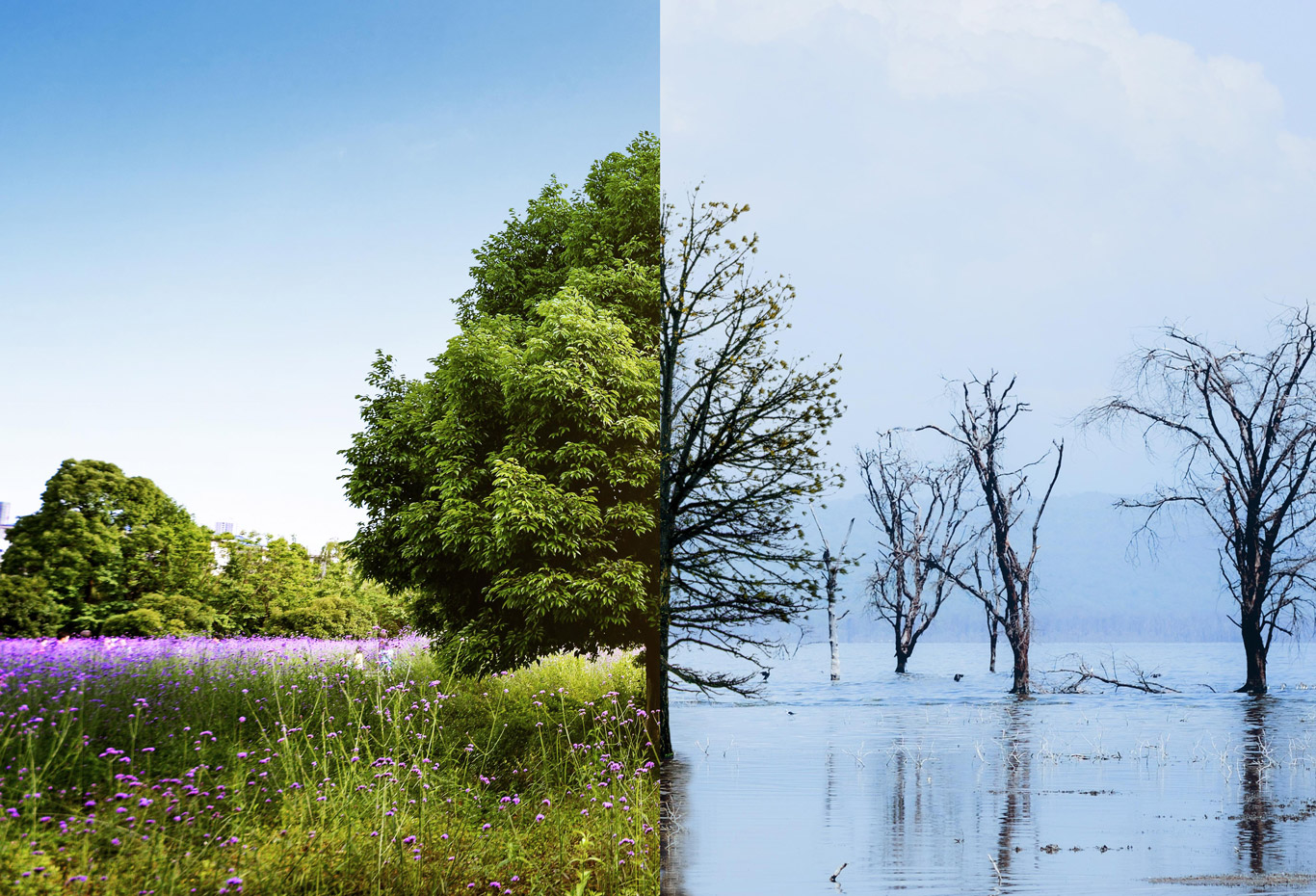
The Earth’s climate has varied many times throughout its history due to natural phenomena, such as changes in the Earth’s orbit, volcanic eruptions, and variations in atmospheric composition. But since the late 19th century, the average surface temperature of the planet has risen by more than 1°C compared to the pre-industrial era. This is due to growing industrialization, the burning of increasing amounts of oil and coal, deforestation, and some agricultural practices, which result in an increase in greenhouse gases (GHGs) that remain trapped in the atmosphere. This ongoing rise in the Earth’s temperature is known as global warming.
Global warming directly impacts the hydrological cycle. Scientists forecast longer periods of drought and flooding, glacier retreat, and significant changes in rainfall and snowfall patterns. All of this affects the availability of freshwater in different regions, threatening both human access and the balance of ecosystems.
Greenhouse Effect
The atmosphere is made up of a group of gases, some of which retain the sun’s heat and make life on the planet possible. This natural and beneficial phenomenon is called the greenhouse effect (GE).
Without this natural thermal regulation system, the planet’s average temperature would be -18°C, and life as we know it would be impossible.
However, in recent years the amount of GHGs, such as carbon dioxide (CO2), methane (CH4), water vapor, nitrous oxide (N2O), and halocarbons, has increased. This rise is caused by human activity, the exponential growth of the population, and our production and consumption patterns. As a result, more heat is being retained in the atmosphere, which generates global warming.
Water: An Environmental Ally Against Climate Change
Healthy aquatic ecosystems and proper water management are allies in mitigating climate change. Wetlands, mangroves, seagrass meadows, marshes, and swamps act as highly effective carbon sinks: they absorb and store CO2, help regulate the water cycle, and provide natural protection against climate hazards.
To learn more about the relationship between water and climate change visit “Water: At the Heart of the Climate Crisis” by the United Nations (in spanish y in english).